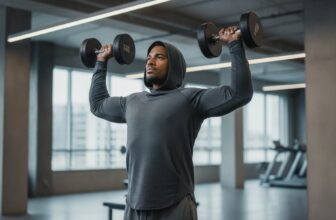

That expensive performance hoodie you just bought might be working against your fitness goals if you haven’t looked closely at the tag. It’s frustrating when a high-intensity session leaves you feeling heavy, wet, and prone to painful chafing just because of a poor material choice. We’ve all dealt with those stubborn odors that won’t wash out of synthetic gear, no matter how many times they go through the laundry. Choosing the right performance workout fabrics is about more than just style; it’s about finding a technical partner for your body that manages heat and moisture effectively.
We’re here to help you master the science behind technical textiles so you can choose the perfect workout gear for your specific training needs. You’ll learn how to identify high-quality materials that stay dry during your toughest sets and understand which fibers offer the best long-term durability. We’ll also cover essential industry updates, such as the 2026 OEKO-TEX standards regarding harmful substances and PFAS restrictions. This guide matches specific materials to your favorite sports, ensuring your next purchase is an informed investment in your physical well-being and daily comfort.
Key Takeaways
- Stop falling for the “cotton trap” and learn how engineered textiles prevent heavy, sweat-soaked clothes during high-intensity training.
- Compare the benefits of polyester and nylon to find the ideal balance of durability and softness for your performance hoodies and leggings.
- Master the “Big Four” technical features, including capillary action for moisture management and air permeability for temperature control.
- Use our guide to match performance workout fabrics to your specific sport, from ultra-lightweight HIIT gear to abrasion-resistant lifting apparel.
- Extend the life of your technical gear by learning why high heat is the enemy of technical fibers and how to properly eliminate stubborn odors.
What Are Performance Workout Fabrics and Why Do They Matter?
Performance workout fabrics are textiles specifically engineered to manage moisture, regulate body temperature, and withstand the friction of intense movement. Unlike standard clothing, these materials are designed at the fiber level to enhance your physical output rather than just covering your skin. When you choose the right gear, you’re investing in a technical tool that works with your body as it heats up and cools down.
Many beginners reach for a basic cotton t-shirt, but this is what experts call the “Cotton Trap.” Cotton is a hydrophilic fiber, which means it loves water. It can absorb a massive amount of liquid, keeping your sweat trapped against your skin. This makes your performance hoodies feel heavy, causes skin irritation, and can even lead to post-workout chills as the damp fabric cools down. High-quality technical gear solves this by moving moisture away from the body instantly.
There is also a significant psychological boost to wearing high-performance gear. When you put on a pair of sleek compression leggings or a technical hoodie, you’re signaling to your brain that it’s time to work. This mental shift, often called enclothed cognition, can improve focus and consistency. It’s much easier to stay motivated when you aren’t distracted by a soaking wet shirt or leggings that won’t stay in place.
The Evolution of Technical Textiles
Athletic wear has come a long way since the days of heavy, scratchy wool jerseys that doubled in weight when wet. Modern 2026 technology has blurred the lines between high-fashion and high-function, creating ultra-lightweight microfibers that feel like a second skin. Performance fabric is a multi-functional textile engineered to prioritize moisture transport, thermal stability, and structural durability during physical exertion. Today, you’ll find performance workout fabrics in three main categories:
- Synthetics: Man-made fibers like polyester and nylon that offer superior moisture-wicking and shape retention.
- Naturals: Performance-grade organic fibers like merino wool or treated bamboo that offer natural odor resistance.
- Hybrids: Engineered blends that combine the soft feel of natural fibers with the technical power of synthetics.
Key Benefits: Beyond Just Looking Good
The value of technical gear goes deep into the science of how your body moves and recovers. Effective thermoregulation is the primary benefit; these fabrics help maintain a stable core temperature. They keep you cool during a summer run and provide breathable warmth in a chilly home gym environment.
Beyond temperature, these materials aid in injury prevention and recovery. Many performance workout fabrics include four-way stretch and mild compression. This supports muscle alignment and can reduce the micro-vibrations that lead to muscle fatigue. Additionally, technical textiles offer incredible longevity. While a cheap tee might lose its shape after three washes, technical gear is built to resist pilling and stretching, ensuring your investment stays in your rotation for years.
Synthetic vs. Natural: A Comparison of Performance Fibers
Choosing between synthetic and natural fibers is the most important decision you’ll make when building your fitness wardrobe. While the previous section highlighted why technical textiles matter, understanding the specific properties of each fiber helps you match your gear to your environment. Most performance workout fabrics fall into two camps: lab-engineered synthetics designed for speed and durability, or high-performance natural fibers that offer superior comfort and temperature control.
The Power of Synthetics: Polyester and Nylon
Polyester is the undisputed king of the gym floor. It’s the primary fiber used in performance hoodies because it’s hydrophobic, meaning it repels water rather than absorbing it. This allows sweat to evaporate quickly, keeping the garment lightweight even during a heavy session. In 2026, the industry has shifted heavily toward recycled polyester (rPET), which now meets the same rigorous moisture-wicking standards as virgin fibers while complying with new EU sustainability regulations.
Nylon is the premium alternative, often found in high-end compression leggings and athletic tops. It offers a superior “hand-feel” that’s softer against the skin than polyester, yet it’s significantly stronger and more abrasion-resistant. To get the best of both worlds, look for garments that incorporate Spandex (also known as Elastane). Even a small blend of 5% to 12% Spandex is what provides that essential four-way stretch, allowing your gear to move with you during deep squats or overhead presses without losing its shape.
Natural High-Performers: Merino and Bamboo
Natural fibers aren’t just for casual wear anymore. Merino wool is the standout exception to the “no naturals” rule. Unlike cotton, merino wool can absorb up to 30% of its weight in moisture without feeling damp. It’s a powerhouse for thermoregulation, keeping you warm during winter runs and cooling you down as your heart rate rises. Its most significant advantage is natural odor resistance; the fiber structure prevents the buildup of bacteria that causes the classic “gym smell” often found in older synthetic gear.
Bamboo and Tencel (a cellulose fiber) are also rising in popularity for 2026. These materials are incredibly soft and eco-friendly, making them ideal for low-to-medium intensity activities like yoga or mobility work. If you have sensitive skin or find synthetics too itchy, a hybrid blend of bamboo and recycled polyester offers a great balance of technical performance and comfort. You can find more details on how these materials perform in real-world testing by browsing our curated shopping guides for the latest activewear.
When deciding between the two, consider your laundry habits and workout intensity. Synthetics dry faster and handle frequent high-heat washing better, while natural blends require a bit more care but offer a level of comfort and odor control that lab-made fibers can’t quite replicate.
The ‘Big Four’ Performance Features to Look For
Once you’ve decided on a fiber blend, you need to evaluate the specific technical features that define high-quality gear. It isn’t enough for a garment to be labeled “activewear”; it must possess specific mechanical properties to handle the stress of a workout. Four-way stretch is a non-negotiable feature for performance workout fabrics, as it allows the material to expand both horizontally and vertically. This ensures your leggings or performance hoodies don’t restrict your range of motion during deep squats or overhead presses.
Odor resistance is another critical factor that many budget brands overlook. Synthetic fibers are naturally prone to “perma-stink” because their plastic-based structure traps body oils and bacteria. To combat this, premium technical gear often features antimicrobial silver-ion treatments that break down bacteria before it can settle into the fibers. If you prefer a more natural approach, the merino wool blends we discussed in the previous section offer inherent resistance to odors without the need for chemical finishes.
Understanding Moisture Management
There is a significant difference between moisture-wicking and water-repellent fabrics. A water-repellent finish, like those found on rain jackets, causes water to bead up and roll off. In contrast, moisture-wicking fabrics are designed to pull sweat into the material and push it toward the outer surface. Wicking works like a collection of microscopic straws, where capillary action pulls sweat through the fiber channels from your skin to the outer surface for rapid evaporation.
You should also pay attention to the fabric’s GSM, or grams per square meter. This number indicates the weight and density of the material. A lower GSM (around 100-150) is ideal for ultra-lightweight running shirts that need to dry instantly. A higher GSM (250-300) provides the necessary structure and warmth for a durable performance hoodie without sacrificing its ability to move moisture away from your body.
Durability and Fabric Integrity
High-quality performance workout fabrics are built to survive the friction of a gym environment. Pilling is a common issue with cheaper materials, where broken fibers tangle into small, unsightly balls on the surface. To avoid this, look for garments made with long-filament fibers that resist abrasion from kettlebells or backpack straps. Colorfastness is equally important; premium gear uses advanced dyeing techniques so your blacks stay black and your brights don’t bleed into the rest of your laundry.
Finally, check the construction of the seams. High-stress areas like the inner thighs or shoulders should feature reinforced flatlock stitching. This technique lays the seam flat against the skin to prevent chafing while providing the structural integrity needed to withstand the explosive movements of a HIIT session or heavy lifting day.

Matching Your Fabric to Your Workout Style
Not all performance workout fabrics are created equal. A shirt that feels great during a light walk might become a heavy, abrasive mess during a 10k run. To get the most out of your gear, you need to align the fabric’s technical strengths with the specific demands of your movement. Matching the material to your activity ensures you stay comfortable, focused, and protected from common issues like chafing or overheating.
For high-intensity intervals or endurance cardio, prioritize ultra-lightweight polyester blends. These fabrics offer the maximum ventilation needed when your core temperature spikes. Look for “laser-cut” perforations or integrated mesh panels in high-heat zones like the back and underarms. If you’re hitting the weights, switch your focus to abrasion resistance. Barbell knurling and kettlebell handles can quickly shred delicate running tops. Mid-weight nylon blends are the gold standard here because they offer the durability to withstand friction while maintaining a professional, structured look.
Mobility-focused sessions like yoga require a high Spandex or Elastane content, usually between 15% and 25%. This ensures the garment doesn’t restrict your reach or “dig in” during complex poses. “Buttery soft” brushed fabrics provide the tactile comfort needed for mindfulness without sacrificing technical performance. For those training in variable climates, performance hoodies made from thermal-regulating fleece are essential. These garments trap a thin layer of warm air against the skin while still allowing excess moisture to escape. Explore our expert-curated shopping guides to find the best gear for your specific training environment.
Fabrics for Endurance and Cardio
Running long distances introduces the risk of repetitive-motion chafing. High-quality performance workout fabrics for runners should feel almost weightless and have a smooth, silk-like finish to minimize skin irritation. Compression is another valuable tool for endurance. It helps reduce muscle oscillation, which is the slight vibration of muscles upon impact that contributes to fatigue over several miles. Selecting thin, mesh-integrated fabrics helps maintain a consistent body temperature even as the intensity of your cardio session increases.
Fabrics for Mobility and Recovery
When choosing gear for lower-body work, look for “interlock” knits. This specific construction technique creates a double-sided fabric that is naturally “squat-proof,” meaning it won’t become sheer when stretched to its limit. For restorative yoga or post-workout recovery, soft-touch fabrics like Tencel or bamboo blends are ideal. These materials transition seamlessly into athleisure, allowing you to move from the gym to the street without looking like you just finished a marathon. Picking the right weight for these garments ensures they provide enough coverage for the gym while remaining stylish enough for daily errands.
Maximizing the Life of Your Performance Apparel
High-quality technical gear is an investment in your fitness journey. Once you’ve selected the right performance workout fabrics for your sport, proper maintenance is the only way to ensure those materials continue to perform as intended. Technical textiles require different care than your standard cotton t-shirts. If you treat a performance hoodie like a basic sweatshirt, you’ll likely strip away its moisture-wicking and antimicrobial properties within just a few months.
The “No Heat” rule is the most important habit to adopt. Dryers are the primary enemy of modern athletic wear, especially garments containing spandex or elastane. High temperatures can cause these microscopic elastic fibers to become brittle and snap, leading to “baggy” leggings or hoodies that no longer hold their shape. Always air-dry your technical gear or use the lowest possible heat setting to maintain the integrity of the fabric’s stretch and recovery.
Washing Best Practices
To keep your gear looking and performing like new, always turn garments inside out before tossing them in the wash. This simple step protects the technical outer finish from friction against zippers or buttons on other clothes. You should also be selective with your cleaning products. Standard detergents often leave a film on fibers, and you should never use fabric softeners on moisture-wicking gear. Softeners work by coating fibers in a thin, waxy layer, which effectively clogs the “micro-straw” channels that move sweat away from your skin.
Proper storage also plays a role in longevity. While it’s tempting to hang everything, heavy performance hoodies can actually stretch out at the shoulders if left on a hanger for too long. Folding your technical knits and leggings helps them retain their original silhouette. For items with specialized coatings, like water-resistant shells, ensure they’re completely dry before folding to prevent any mildew from forming in the technical layers.
When to Replace Your Gear
Even the best performance workout fabrics eventually reach the end of their functional life. You can identify “elastic fatigue” by looking for tiny white fibers poking through the material or by listening for a faint crackling sound when you stretch the garment. This indicates the internal elastane has broken down. Another sign it’s time for a replacement is the “perma-stink” phenomenon. If a garment still smells like the gym immediately after a fresh wash, bacteria have likely bonded permanently to the synthetic fibers.
Investing in quality materials and maintaining them properly saves you money and ensures your gear never holds back your performance. When your current rotation starts to show these signs of wear, check out our curated list of the best performance workout hoodies for your next session. Replacing tired gear ensures you continue to benefit from the latest advancements in moisture management and thermal regulation.
Elevate Your Training with Technical Textiles
Mastering the science of your gear transforms your daily routine from a struggle against sweat and friction into a streamlined path toward your goals. You now understand that high-quality performance workout fabrics are essential tools for managing moisture and maintaining full mobility. By matching the right fiber to your specific sport and following the “no heat” rule for laundry, you’ll ensure your investment stays in peak condition for years to come.
Finding the perfect match doesn’t have to be a massive research project. Dailyfitchoice.com provides expertly curated daily fitness deals and comprehensive shopping guides for every athlete. Our scannable reviews of top-rated activewear do the legwork for you, so you can focus on the workout itself. Discover the latest daily deals on high-performance workout gear at Dailyfitchoice.com today. Your body deserves gear that works as hard as you do, so take the next step in optimizing your fitness journey with confidence.
Frequently Asked Questions
What is the single best fabric for heavy sweating?
Polyester is the most effective choice for heavy sweating because it is hydrophobic; it repels water rather than absorbing it. This allows sweat to move to the surface for fast evaporation, keeping you dry during high-intensity sessions. For the best results, look for performance workout fabrics with integrated mesh panels or laser-cut vents. These features increase airflow to high-heat zones, ensuring you stay cool even when your heart rate peaks.
Is 100% cotton okay for light gym workouts?
While 100% cotton is comfortable for lounging, it’s generally a poor choice for even light gym workouts. Cotton is hydrophilic, meaning it absorbs up to 25 times its weight in water. Once it gets damp from light perspiration, it stays wet, becomes heavy, and can cause skin irritation or chills. If you prefer a natural feel, choose a hybrid blend that combines cotton’s softness with the moisture-wicking power of recycled polyester.
What does ‘4-way stretch’ actually mean for my workout?
4-way stretch means the fabric expands both horizontally and vertically, allowing for a complete range of motion. This is essential for exercises like deep squats, lunges, or overhead presses where the material needs to move with your body without resistance. Unlike 2-way stretch, which only expands in one direction, 4-way stretch ensures your performance hoodies and leggings retain their original shape and don’t become bagged out or transparent during intense movement.
Why do my synthetic workout clothes smell even after washing?
Synthetic clothes often retain odors because their plastic-based fibers are oleophilic, meaning they attract body oils and skin bacteria. These substances get trapped deep within the fiber structure, where standard detergents can’t always reach them. To fix this, use a specialized sports detergent designed to break down organic matter. Avoid fabric softeners, as they create a waxy coating that traps the bacteria even further, leading to the dreaded “perma-stink” in your favorite gear.
Can performance fabrics really help with muscle recovery?
Performance fabrics can aid recovery primarily through graduated compression. These materials apply gentle pressure to the limbs, which can improve blood flow and reduce muscle oscillation during exercise. By minimizing the micro-vibrations that occur when your feet hit the ground, compression gear helps reduce muscle fatigue and soreness. While the material itself doesn’t heal muscles, the improved circulation and support can certainly make your post-workout recovery feel faster and more manageable.
What is GSM and why should I care about it when buying leggings?
GSM stands for Grams per Square Meter, and it measures the weight and density of the fabric. For activewear leggings, a higher GSM between 250 and 320 is ideal because it provides “squat-proof” coverage and better structural support. If the GSM is too low, the leggings may become sheer when stretched. Conversely, a lower GSM around 120 to 150 is better for lightweight running shirts where maximum breathability and fast drying are the priorities.
Is recycled polyester as good as virgin polyester for performance?
Yes, modern recycled polyester (rPET) is functionally identical to virgin polyester in terms of durability and moisture management. In 2026, manufacturing standards have evolved to ensure that recycled fibers meet the same rigorous industry benchmarks for wicking and colorfastness. Choosing rPET is an excellent way to support sustainability without sacrificing the technical benefits of performance workout fabrics. It offers the same hydrophobic properties needed to keep you dry and comfortable during your toughest training sessions.
How do I know if a fabric is truly moisture-wicking before buying?
You can identify true moisture-wicking fabrics by checking the material composition on the tag. Look for a high percentage of polyester or nylon, usually blended with spandex for stretch. If you’re shopping in person, you can perform a quick “water drop” test: place a tiny drop of water on the inner side of the fabric. If the water absorbs and spreads quickly rather than beading up, the material is designed to pull moisture away from your skin effectively.